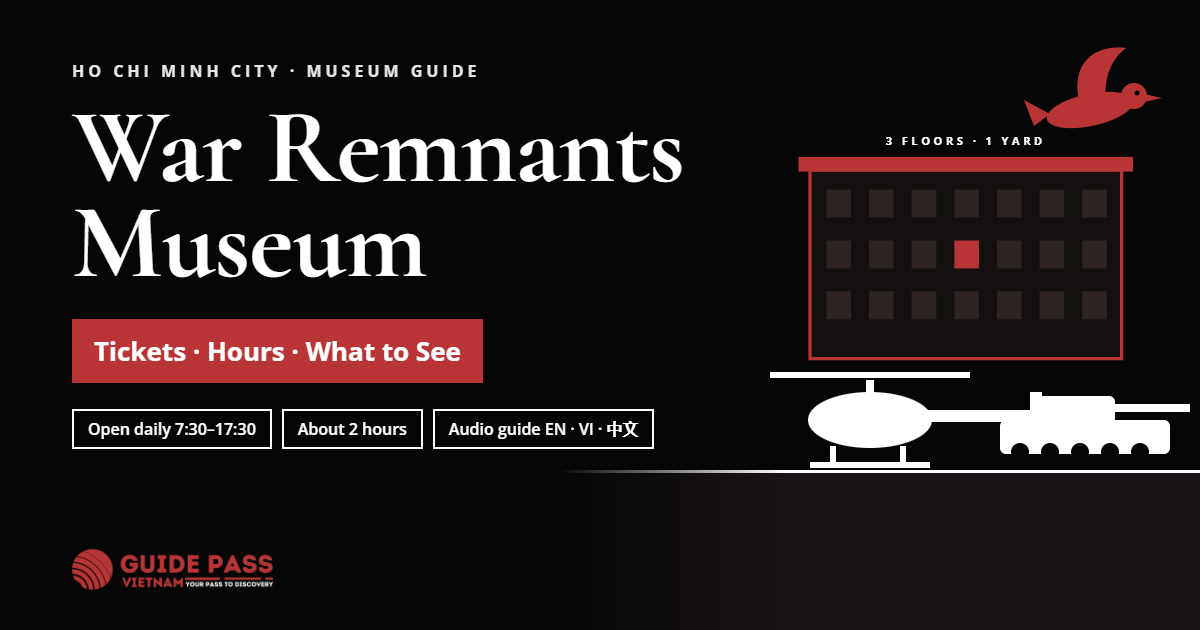
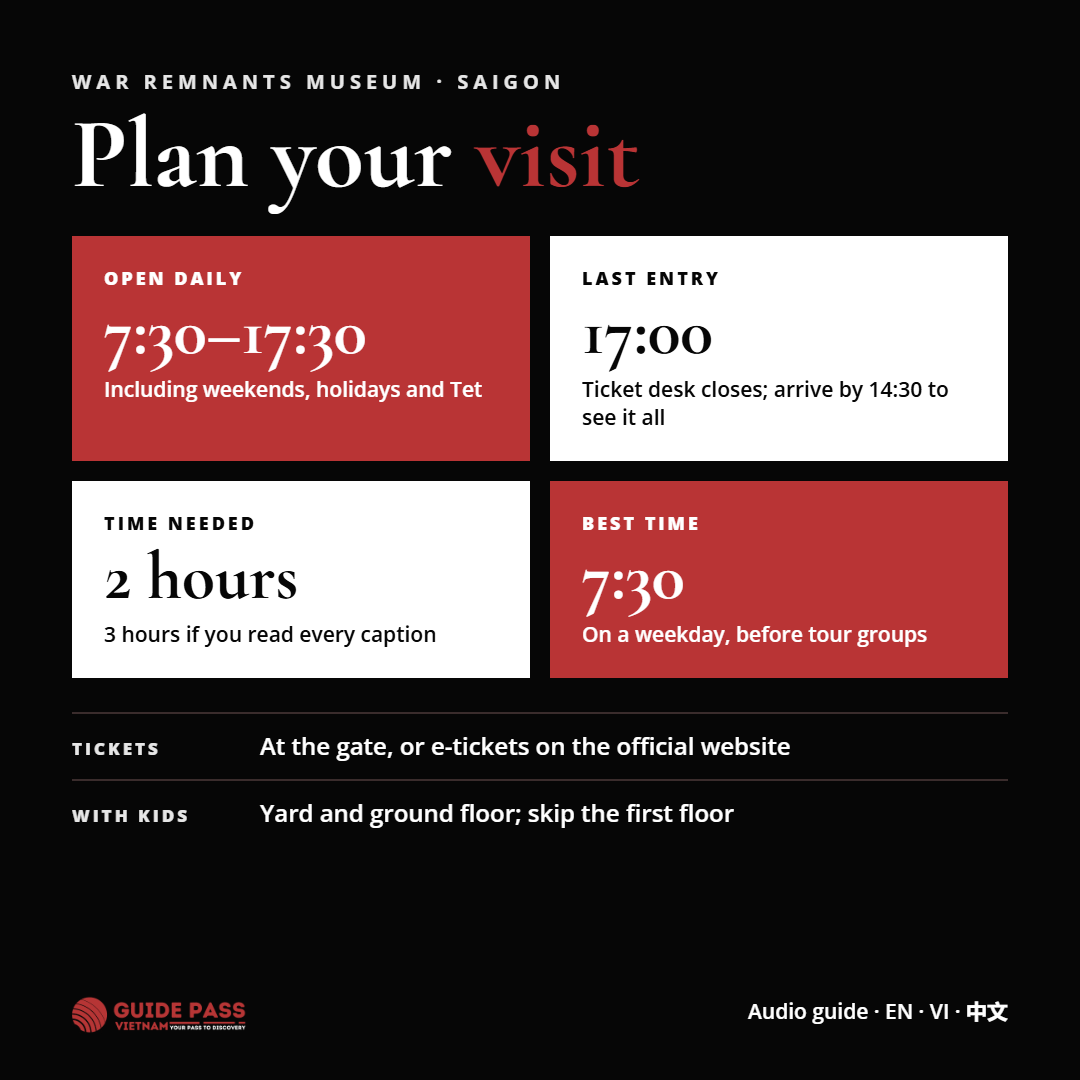
The War Remnants Museum is at 28 Vo Van Tan Street in central Ho Chi Minh City and opens every day from 7:30 am to 5:30 pm, with the ticket desk closing at 5 pm. An adult ticket costs less than US$3. Give it about two hours, longer if you want to read every caption in the Requiem gallery, and arrive at opening time to stay ahead of the tour groups.
It is the most visited museum in the city and one of the hardest to forget. This guide covers what you need before you go: tickets and hours, what is on each floor, which rooms not to miss, how long to spend, whether to bring children, and how to fit it into a day with Independence Palace.
War Remnants Museum visitor information
| Address | 28 Vo Van Tan Street, Xuan Hoa Ward (formerly District 3), Ho Chi Minh City |
| Opening hours | 7:30 am – 5:30 pm, every day, including weekends and public holidays |
| Last entry | 5:00 pm, when the ticket desk closes |
| Tickets | Under US$3 for adults, paid at the gate or online. Ho Chi Minh City revised its museum fees in 2026, so check the current price at the counter or on the museum’s official website |
| Discounts | Reduced or free entry for some groups, including young children. Ask at the counter and bring ID |
| Time needed | 2 hours for most visitors; 3 hours if you read everything |
| Best time | 7:30 am on a weekday |
| Audio guide | Yes. The Saigon Guide Pass includes a phone audio guide for the museum in English, Vietnamese and Chinese |
| Nearby | Independence Palace (10–15 minutes on foot), Saigon Notre-Dame Cathedral, Saigon Central Post Office |
Visitor information checked in November 2026.
Is the War Remnants Museum worth visiting?
Yes, if you want to understand what the war meant for the people who lived through it. Few museums in Southeast Asia show the human cost of a conflict as directly. The photographs are the core of the collection, and many of them were taken by journalists who did not survive the war.
It is not a light visit. Several rooms contain graphic images of injury and death, and the Agent Orange galleries show the effects of the defoliant on families decades after the fighting stopped. Most visitors leave quieter than they arrived. That is the point of the place, and it is why many travellers rank it as the single most important stop in Ho Chi Minh City.
If you have only one day in the city, pair it with Independence Palace. Together they tell the story of the war and how it ended, and they are a short walk apart.
What is the War Remnants Museum?
The museum opened on 4 September 1975, a few months after the war ended, under a very different name: the Exhibition House for US and Puppet Crimes. Its name changed in the 1990s, first to the Exhibition House for Crimes of War and Aggression and then to the War Remnants Museum, as Vietnam reopened to Western visitors and the museum’s tone shifted towards documenting the cost of war and calling for peace.
Today it is run by the Ho Chi Minh City Department of Culture and Sports and belongs to the International Network of Museums for Peace. The collection runs to many thousands of photographs, documents and objects. In 2025 it welcomed more than 1.4 million visitors, a large share of them from abroad.
The museum presents the war from Vietnam’s perspective. Some visitors find that the displays leave out parts of the story; others say that is exactly why it is worth seeing. Either way, it is best read alongside a broader history of the conflict, and the audio guide helps fill in the background behind each room.
What to see at the War Remnants Museum, floor by floor
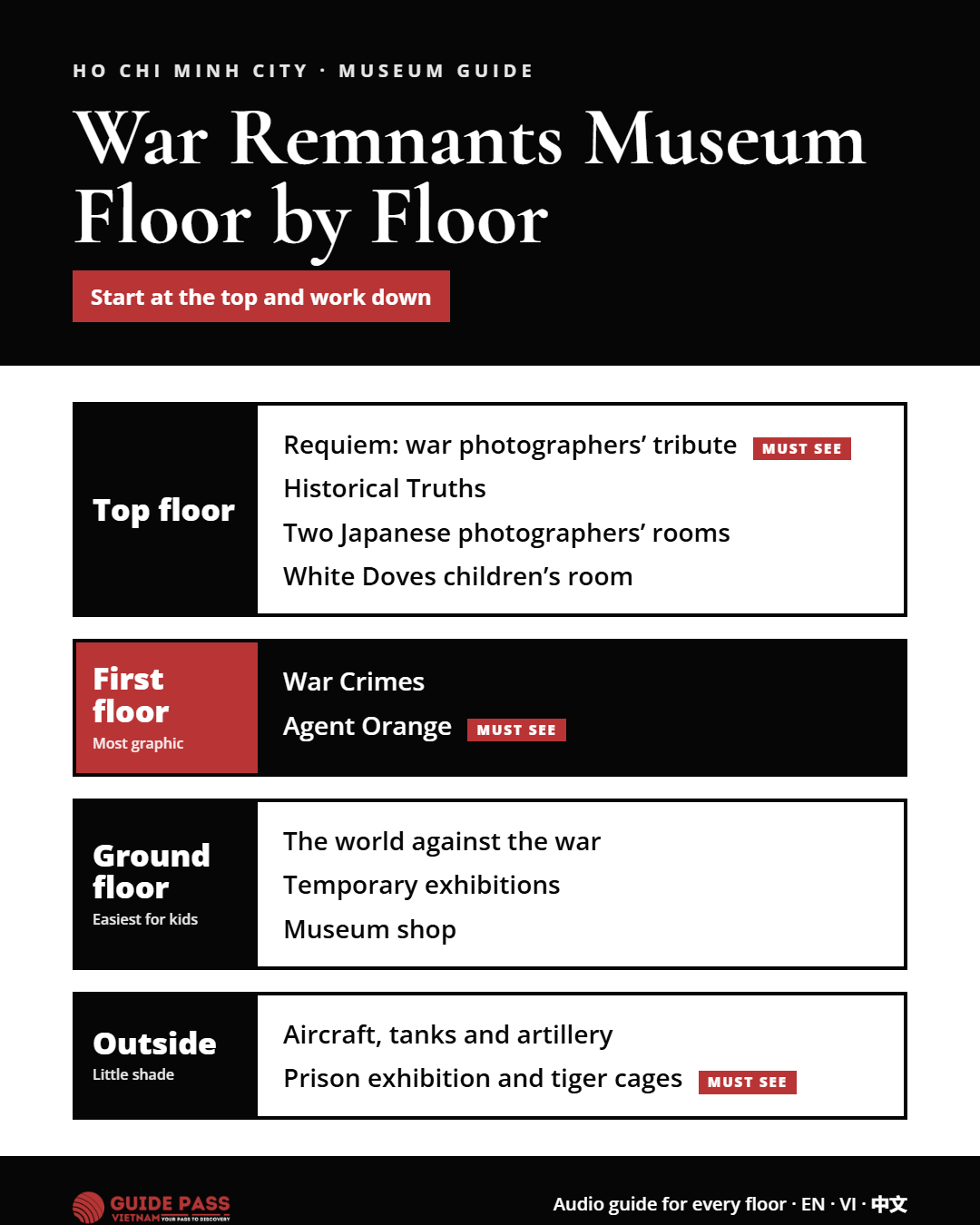
The building has three floors plus an outdoor yard and a separate prison exhibition at the side. The museum’s own route suggests starting at the top floor and working down, but any order works. Save some energy for the Agent Orange rooms, which most visitors find the hardest to look at.
Outside: aircraft, tanks and the prison exhibition
The yard is where most people start, because it is the first thing you see from the gate. US military aircraft, a helicopter, tanks, artillery and unexploded bombs stand in the open. It is the most photographed part of the museum and the easiest part for children.
At the side of the grounds, a low building holds the exhibition on the prison system during the war. It covers Con Dao, Phu Quoc and other prisons, with a reconstruction of the “tiger cages” used to hold political prisoners on Con Dao island and a guillotine. The cells are small enough that standing next to them says more than any caption.
The yard has little shade. In the hot months, see it first thing in the morning or at the end of your visit.
Ground floor: the world against the war
The ground floor focuses on the international anti-war movement. Posters, banners and photographs show protests in the United States, Europe, Japan and Australia, alongside letters from American veterans who later opposed the war. It is a calmer start than the floors above.
The ground floor also holds a room for temporary exhibitions and the museum shop, which sells books and documentaries. Some proceeds support victims of Agent Orange.
First floor: war crimes and the Agent Orange rooms
This is the heaviest floor. The War Crimes room documents attacks on civilians during the war, including the Son My (My Lai) massacre of 1968, through photographs, documents and objects.
Next door, the Agent Orange room shows the consequences of the defoliant sprayed over southern Vietnam between 1961 and 1971. Photographs of children and adults born with severe disabilities fill the walls. Many visitors need a moment after this room, and there is no shame in walking through it more quickly.
Top floor: Requiem, Historical Truths and the photographers’ rooms
The top floor is the most reflective part of the museum. Requiem is a collection of images by war photographers from many countries who were killed while covering the wars in Indochina. Many visitors single it out as the room not to miss. The pictures are extraordinary, and knowing that the person behind the camera did not come home changes how you look at them.
Historical Truths sets out the timeline of the war, from the French period through 1975. Two rooms are devoted to Japanese photographers: Ishikawa Bunyo’s Vietnam – War and Peace and Goro Nakamura’s long documentation of Agent Orange. A small room called White Doves is set up for children’s education.
Several top-floor galleries have recently been refreshed, so if you have seen older photos or videos of the museum, some rooms may look different now.
Which rooms should you not miss?
If you only have an hour, see these in order:
- Requiem (top floor): photographs by war correspondents who died covering the conflict.
- Agent Orange (first floor): the room most visitors remember long after they leave.
- War Crimes (first floor): the photographs that shaped how the world saw the war.
- The tiger cages (outside, prison exhibition): five minutes that explain a whole chapter of the war.
- The yard: aircraft and tanks, best seen early before the sun gets high.
How long do you need at the War Remnants Museum?
Most visitors spend about two hours. That is enough to see all three floors, the yard and the prison exhibition without rushing. If you read the captions in Requiem and the Agent Orange rooms, allow three hours.
With only an hour, use the list above and skip the ground floor. With half a day, add Independence Palace, which is a 10–15 minute walk away.
What is the best time to visit the War Remnants Museum?
Go at 7:30 am, when the doors open. School groups and tour buses start arriving by mid-morning, and the queue at the ticket desk can get long. Weekdays are quieter than weekends, and Vietnamese public holidays are the busiest days of the year.
Late afternoon is the second-best option, but remember the ticket desk closes at 5 pm. To see everything, arrive by about 2:30 pm.
Buying your ticket online saves the queue. Since February 2026 the museum has sold e-tickets on its official website, where you pick a time and pay in advance, then scan the code at the gate.
Is the War Remnants Museum suitable for children?
The yard and the ground floor are fine for most children: aircraft, tanks and protest posters, with little that is graphic. The first floor (War Crimes and Agent Orange) and parts of the top floor contain photographs of dead and injured people, including children, and are not suitable for young kids.
The museum does not set a minimum age, and it does not post warnings at the entrance to each room. A practical approach for families:
- Visit the yard and ground floor together.
- Let one adult preview the first floor before deciding whether older children go in.
- Talk about what they will see beforehand. Teenagers often find the visit meaningful if they are prepared for it.
Is there an audio guide at the War Remnants Museum?

Yes. The Saigon Guide Pass from Vietnam Guide Pass includes a full audio guide for the War Remnants Museum in English, Vietnamese and Chinese. It plays on your own phone in the browser, so there is nothing to download and no handset to return. You can listen to a 70-second extract from the Agent Orange room on the pass page before you buy.
You can also ask at the ticket counter about the museum’s own rental audio sets. Captions on the exhibits are in Vietnamese and English, but they are short. The audio guide adds the story behind each room: why the photographers in Requiem were there, what Agent Orange was and how it was used, and how the tiger cages worked.
How do you get to the War Remnants Museum?
The museum is in the centre of the city, so most visitors walk or take a short Grab ride.
- On foot: about 15 minutes from Ben Thanh Market and 10–15 minutes from Independence Palace. The main entrance and ticket desk are on Vo Van Tan Street.
- By Grab or taxi: enter “War Remnants Museum, 28 Vo Van Tan” and check the pin before you confirm. Some apps still show the old district name.
- By motorbike: motorbike parking is at the back gate.
Tips for your visit
- Bring water. The upper floors can get warm by midday, and the yard has little shade.
- Take your time with Requiem. It is the room people regret rushing.
- Prepare yourself. Some images are very hard to look at. It is fine to walk through a room quickly or skip it.
- Pack light. Large bags may have to go into a locker.
- Use your phone camera, not flash. Flash damages old photographs. Photography is not allowed in every room, so follow the signs.
- Dress respectfully. This is a place of remembrance as well as a museum.
- Plan something calm afterwards. Many visitors like a quiet coffee or a walk before the next sight.
What else is nearby?
The museum sits in the middle of Ho Chi Minh City’s main sights, so it is easy to build a morning or a full day around it:
- Independence Palace (10–15 minutes on foot): where the war ended on 30 April 1975, when a tank broke through the gates. It is the natural next stop after the museum.
- Saigon Notre-Dame Cathedral and the Central Post Office (about 15 minutes on foot): two French-era landmarks side by side.
- Ben Thanh Market (about 15 minutes on foot): for lunch and souvenirs.
For a wider list of what to see, read our guide to the must-see sights of Ho Chi Minh City, or browse every attraction on the Ho Chi Minh City destination page.
A simple half-day plan: War Remnants Museum and Independence Palace
- 7:30 – Arrive at the War Remnants Museum as the doors open. Start with the yard while it is cool.
- 7:50 – Go straight to the top floor for Requiem and Historical Truths, then work down through the Agent Orange and War Crimes rooms.
- 9:30 – Visit the prison exhibition and the tiger cages, then the ground floor and the shop.
- 10:00 – Walk 10–15 minutes to Independence Palace and finish the story where the war ended.
- Lunch – Head towards Ben Thanh Market or Nguyen Hue Walking Street.
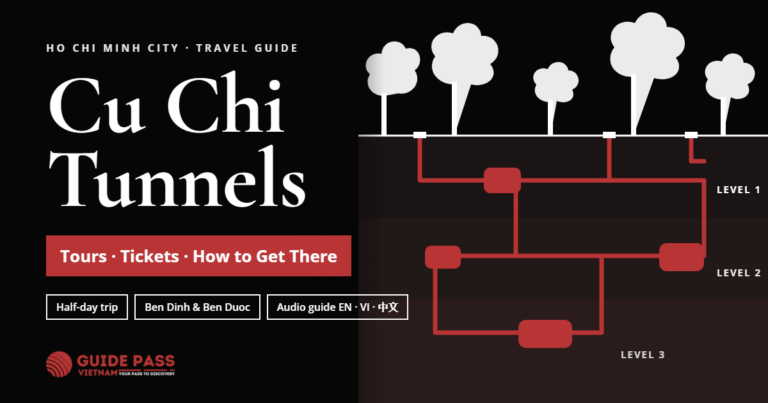
If you are also visiting the tunnels, keep them for a different day. Our guide to the Cu Chi Tunnels from Ho Chi Minh City explains how to get there and which site to choose. The two places tell very different sides of the same war, and doing both in one day is a lot to take in.
Explore the War Remnants Museum with an audio guide
The Saigon Guide Pass covers 20 sights in Ho Chi Minh City, including the War Remnants Museum, Independence Palace, the Cu Chi Tunnels, Ben Thanh Market and the Central Post Office. It starts from 149,000 VND, is valid for one to five days, and plays in English, Vietnamese or Chinese on your phone. Your code arrives by email, and there is no app to install.
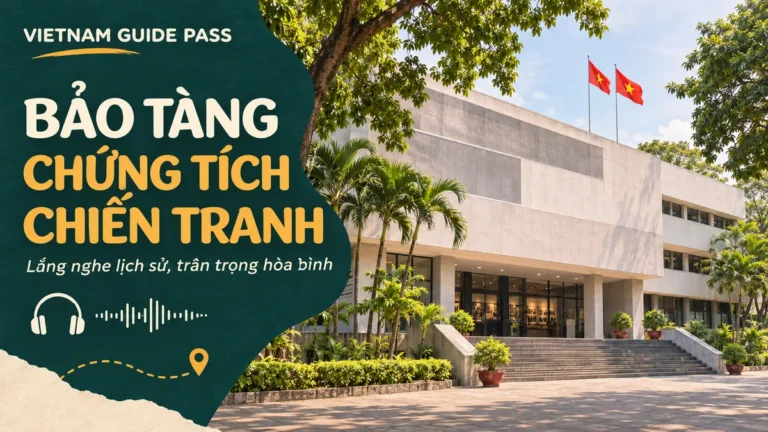
Reading in Vietnamese? See our Vietnamese guide to the War Remnants Museum audio tour.
FAQ
How much is the War Remnants Museum entrance fee?
An adult ticket costs less than US$3. Ho Chi Minh City updated the fees for its public museums in 2026, so check the current price at the ticket desk or on the museum’s official website before you go. Some groups, including young children, get reduced or free entry.
Can you buy War Remnants Museum tickets online?
Yes. The museum sells e-tickets on its official website. You choose a time, pay online and scan the code at the gate, which saves queuing at the ticket desk.
Is the War Remnants Museum open on public holidays?
Yes. It opens every day of the year, including weekends, public holidays and Tet, usually from 7:30 am to 5:30 pm. Holidays are the busiest days, so arrive early.
Can you take photos inside the War Remnants Museum?
Phone photography is allowed in most areas, but flash is not, and some rooms do not allow photos at all. Follow the signs in each gallery.
Is there a War Remnants Museum in Hanoi?
No. The War Remnants Museum is in Ho Chi Minh City (Saigon). Hanoi has its own military and history museums, which are separate places with different collections.