
The Ho Chi Minh City Museum - The Journey of Saigon’s Most Powerful Mansion
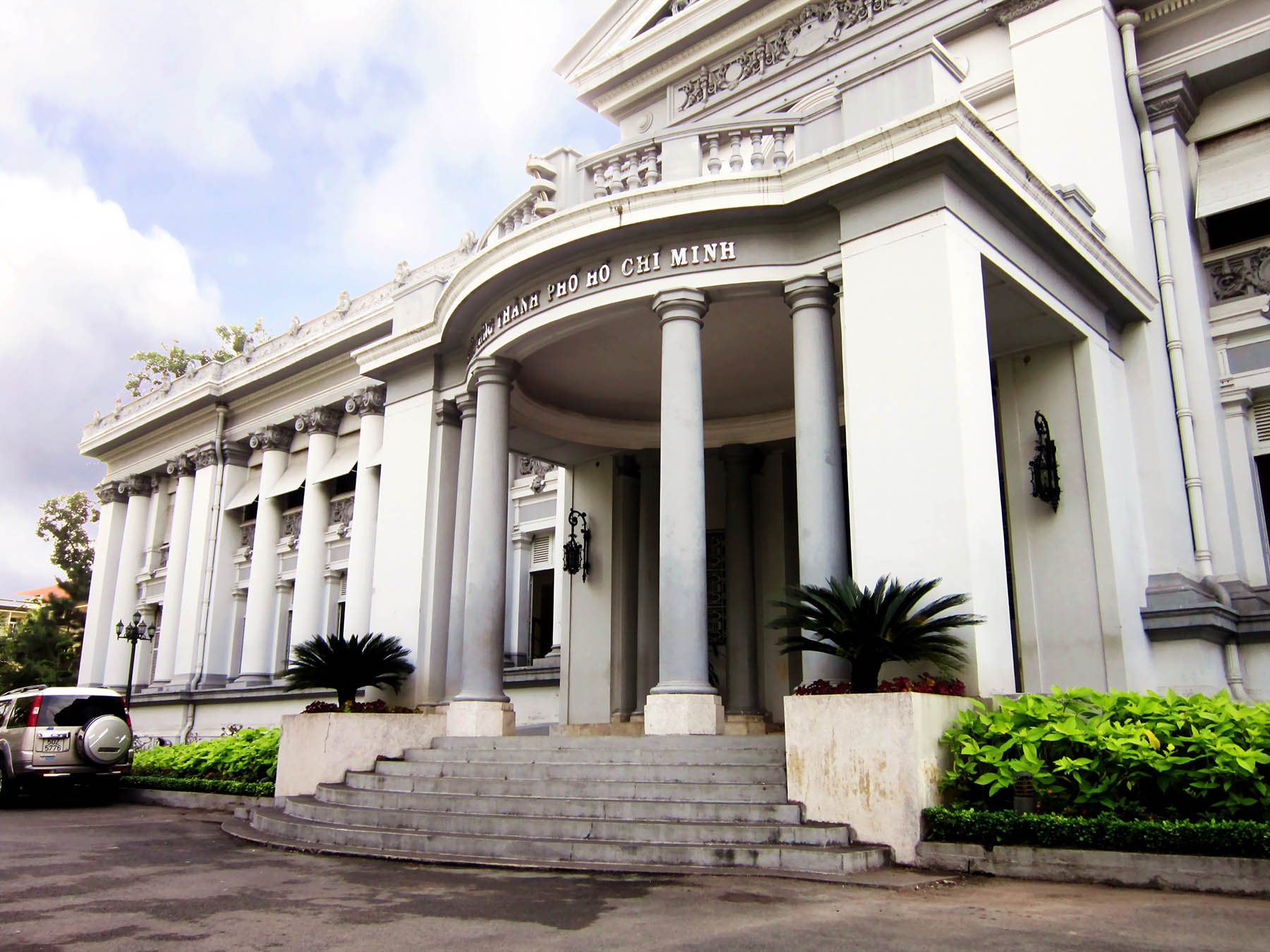
Amidst the vibrant energy of the city stands an ancient, majestic European-style building, casting its silent reflection under the shade of ancient tamarind trees. This is the Ho Chi Minh City Museum. But unlike most museums, this place is special. Before it became a keeper of memories, this very building was a political storm center, the home of Saigon’s most powerful figures. The journey of 65 Lý Tự Trọng Street is a long and turbulent tale, transforming from a lavish mansion named Gia Long Palace into a museum for the people. Join Vietnam Guide Pass as we turn back the clock to explore the unique history of this very special "artifact."
Neoclassical Architecture: A Unique East-West Fusion

Few people know that the original purpose of this magnificent building was not as a residence. In 1885, the French colonial government began construction on this grand project, designed by French architect Alfred Foulhoux. The initial purpose was to serve as a Commercial Museum, intended to showcase the economic products of Cochinchina. However, as the building neared completion in 1890, its function was changed, and it became the residence of the Governor of Cochinchina. The building's architecture is a stunning example of 19th-century French Neoclassical style, featuring large columns, spacious balconies, and intricate carvings on the facade that exude power and prestige. A distinctive highlight is the traditional Vietnamese yin-yang tiled roof, which harmonizes beautifully with the graceful wrought-iron balconies and symmetrical arched doorways, creating a unique blend of Eastern and Western aesthetics. The real showstopper lies in the exquisite bas-reliefs on the dome and facade. These detailed carvings feature a captivating mix of Greek mythological symbols and tropical flora and fauna, including unicorns, elephants, dragons, snakes, birds, and native flowers. This elegant beauty not only highlights the building's grandeur but also tells a fascinating story of cultural fusion.
Gia Long Palace and Political Turmoil

The building was named Gia Long Palace after the street it stood on. During the French colonial period, it served as the residence for several French governors and the Deputy Governor-General of Indochina. However, the most dramatic chapter in the mansion's history is tied to the Republic of Vietnam era. After the Independence Palace was bombed in 1962, President Ngô Đình Diệm moved into Gia Long Palace. During his time here, a fortified bunker and a network of secret tunnels were constructed beneath the mansion to protect against coups and assassination attempts. After the fall of the Ngô Đình Diệm regime, the building continued to serve as the headquarters of the Supreme Court until April 30, 1975.
The Secret Legends of the Power Bunker

Beneath this ancient building lies a formidable 1,400-square-meter bunker, made of reinforced concrete with one-meter-thick walls designed to withstand a 500kg bomb. The bunker consists of six interconnected rooms and six solid cast-iron doors with handles like those on a ship's porthole, designed to lock it down securely. Legends surround this mysterious bunker. Some stories claim there are secret tunnels leading to the Saigon River or even as far as Cholon (Chợ Lớn). However, historians say these are merely myths. The bunker was actually designed for a last stand, with two small, camouflaged emergency exits disguised as pillboxes, leading to Nam Kỳ Khởi Nghĩa and Pasteur streets. This was where President Ngô Đình Diệm and his brother Ngô Đình Nhu took refuge during the 1963 coup before they were captured. Today, a section of the bunker is open to the public, offering a tangible connection to the dramatic historical events that unfolded here.
The City’s "Home" for Memories
After the reunification of Vietnam, a new chapter began for the building, embracing a cultural and historical role for the entire city.
The Museum's Journey

After a period of preservation, on August 12, 1978, the Ho Chi Minh City People's Committee decided to use the building as the Ho Chi Minh City Revolutionary Museum. This was a pivotal moment, transforming a center of political power into a public cultural space. On December 13, 1999, to better reflect its content and scale, the museum was officially renamed the Ho Chi Minh City Museum as we know it today.
When the Building is a "Living" Artifact

What makes the Ho Chi Minh City Museum different is that the building itself is an inseparable part of history. When you visit, you're not just looking at artifacts in display cases. You are walking on the very floors that governors once walked on, looking out from the same balconies where historical figures once stood. The current exhibition rooms systematically showcase the history and development of Saigon—Ho Chi Minh City through diverse themes: Nature - Archeology, Geography - Administration, Port - Trade - Services, Industry - Handicrafts, and Culture - Revolutionary Struggle.
Stunning Photo-Ops You Can’t Miss

More than just a historical landmark, the Ho Chi Minh City Museum is an ideal spot for vintage and classic architecture lovers. Be sure to capture some "Insta-worthy" shots at these iconic locations: The Main Hall and Grand Staircase: The spacious main hall with its winding spiral staircase feels like a classic European palace, creating a luxurious and elegant atmosphere. The Upper Floor Hallways: The long hallways, with their many large windows, are flooded with natural light, providing a perfect backdrop for deep, artistic photos. Domes and Balconies: The elegant beauty of the domed architecture, intricate decorative details, and wide balconies will highlight your photos with timeless style.
Don’t Miss Your Trip Back in Time
Ready to start your journey through time at one of Saigon's most beautiful historical buildings? Don't hesitate—come and discover it for yourself! The museum is open daily from 8:00 AM to 5:00 PM, including holidays. With an affordable entrance fee of just 30,000 VND per person, you can admire the magnificent architecture, explore fascinating historical stories, and capture photos that will last a lifetime. Plan your visit today and head to 65 Lý Tự Trọng, Saigon Ward, to feel the fusion of past and present in the heart of this vibrant city.
More Than a Museum: A Living History

More than just a place to display artifacts, the Ho Chi Minh City Museum holds the very soul and memories of a city that has lived for over a hundred years. Every corner holds a fascinating story, helping visitors understand the history, culture, and people of Saigon—Ho Chi Minh City. A visit here is not just about admiring beautiful architecture; it's about feeling the depth of its culture, and in doing so, growing to love and feel proud of the city named after Uncle Ho.
Continue reading
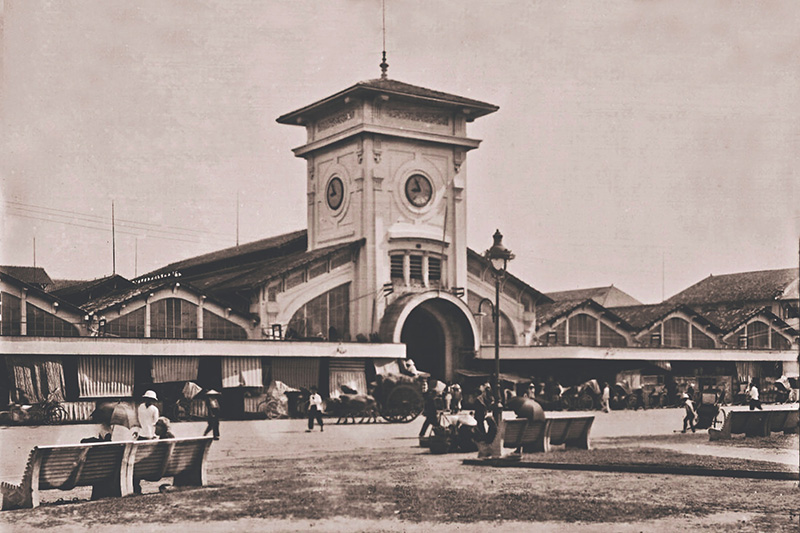
Ben Thanh Market – The Beating Heart of Saigon, a Living Landmark in the City’s Soul
More than a market, Ben Thanh is the soul of the city. Amid the bustling crowds, the grand clock tower stands tall like a keeper of time, telling tales of a vibrant, never-sleeping Saigon for over a century.
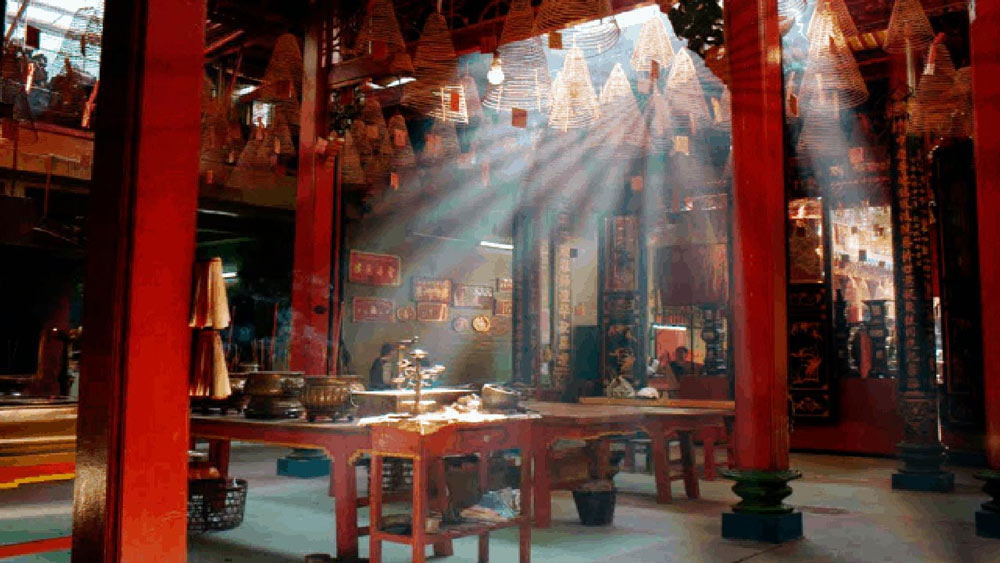
Thien Hau Temple – A Spiritual Haven in the Heart of Cholon
Tucked away in the bustling streets of Cholon, Thien Hau Temple offers a peaceful refuge for wandering souls. It has long been a sacred sanctuary for Chinese immigrants, a place to entrust their hopes, dreams, and prayers in the welcoming land of the South. To deepen your journey of discovery, the Vietnam Guide Pass serves as an ideal companion, its automatic audio guide revealing the profound stories whispered by every roof tile and wisp of incense.

🏛️ Discover Vietnam’s Soul in 365 Steps – A Journey Through Time at the History Museum of Ho Chi Minh City
Have you ever wished to walk through thousands of years of Vietnam’s history—all in just 365 steps? Welcome to the History Museum of Ho Chi Minh City, a place where Vietnam's past lives on, waiting for curious minds and culture lovers from all around the world. Nestled beside the lush Saigon Zoo and Botanical Gardens, this architectural jewel offers more than just ancient relics—it’s a time-traveling adventure into the heart of a resilient and culturally rich nation.