

Discover Mariamman Temple: A Mystical Sanctuary of Indo-Vietnamese Culture in the Heart of Saigon
Are you searching for a distinctly different spiritual destination in Ho Chi Minh City, one that holds centuries of history and captivating cultural fusion? Then look no further than the Mariamman Temple (affectionately known as Chua Ba An Saigon or the Indian Temple in Saigon). This is not merely a place of worship for the Tamil community; it is a spiritual haven for sorrowful souls, a sacred ground where all wishes are entrusted, whether you are Indian, Vietnamese, or an international traveler. This article will take you on a journey to explore the deep history, unique architecture, mystical rituals, and essential things to do at Mariamman Temple for a complete and enriching spiritual experience.
Mythical History: The Footprints of the Tamil People in Saigon

From Humble Beginnings to Architectural Splendor The Mariamman Temple is located at 45 Truong Dinh Street, District 1, nestled amid the bustling downtown of Saigon, yet it offers a completely different space and temporal atmosphere. The temple's history is closely tied to the migration of the Tamil merchant community (from South India) who came to establish businesses and reside in Saigon in the late 19th century. Initially, it was a small, simple place of worship. By the mid-20th century, as the Indian community grew stronger, the temple was rebuilt and renovated around 1958, featuring the distinctive South Indian Hindu architecture (Dravidian architecture). All materials and statues were imported from India and constructed by Tamil craftsmen themselves, creating a structure of absolute originality and sacredness.
Goddess Mariamman: The Power of the Matriarch in Faith

Goddess Mariamman is the principal deity worshiped here. In the Hindu faith of the Tamil people, Mariamman is the embodiment of the Matriarch, holding three crucial roles: Patron Goddess of Villages and Harvests: She is revered as a deity who brings favorable rain, fertile land, and bountiful harvests. The Healer: She is believed to cure epidemics, especially smallpox and measles. Goddess of Marriage and Family: She blesses smooth marriages, many children, and family peace. The Goddess's image is often sculpted standing or seated, sometimes with multiple arms, dressed in red attire, symbolizing supreme authority, compassion, and infinite power. She is the indispensable spiritual anchor for the Indian diaspora and the reason this Chua Ba An is renowned for its divine power.
Mystical Architecture: A Corner of India in the Heart of Saigon

The Mariamman Temple is an architectural masterpiece, standing out among the modern buildings of District 1, rightfully earning its place as one of the top religious architectural sights in Saigon tourism. The Gopuram Tower: The Gateway Connecting the Mortal and Celestial Worlds The first and most striking feature is the soaring Gateway Tower (Raja-Gopuram), estimated to be about 12 meters tall. The Gopuram is characteristic of South Indian Dravidian Hindu architecture, symbolizing Mount Meru—the center of the universe. The tower is heavily decorated with hundreds of vibrantly colored and lively Hindu deity statues, from the elephant-headed God Ganesha, the valiant God Muruga, to the Goddess Lakshmi bringing good fortune, and even the Gods Brahma and Vishnu. The elaborate and exquisite detail in every carving creates a mystical and impressive atmosphere, making visitors feel as though they are stepping into an ancient, dazzling world of India. The Worship Space: The "U" Shape and 18 Guardian Deities The overall structure of the temple has a unique "Quoc" (square) or "U" shape. The main sanctuary housing Goddess Mariamman is centrally located, flanked by shrines to two powerful protective deities: Maduraiveeran and Pechiamman. Along the surrounding corridors are statues of 18 different deities, each representing a wish or aspect of life: from wealth, health, and love, to career success. This rich variety leads pilgrims to believe that every prayer, no matter how small, will be directed to the correct patron deity. Significantly, in front of the main sanctuary, the Linga - Yoni assemblage (symbols of God Shiva and Goddess Shakti) is placed, representing cosmic creativity and energy. This arrangement not only holds religious significance but also generates a powerful spiritual energy flow, attracting those who seek refuge in this sanctuary for sorrowful souls.
Things To Do at Mariamman Temple: A Journey of Spirituality and Culture

The Mariamman Temple is not just an architectural photo spot; it is a place to embark on a profound spiritual journey and explore the unique Indo-Vietnamese culture. 1. Admire the Architecture and Take Mystical Photos Savor the details: Take time to admire the Gopuram and the deity statues along the corridors. Use a wide-angle lens to capture the symmetrical beauty and vibrant colors of the Dravidian architecture. Understand the symbols: Discover the sacred animals worshiped at the temple, such as the lion (Goddess Mariamman’s mount), the peacock (facing the main deity), and the horse and cow; each animal carries a deep meaning in Hindu mythology. 2. Entrust Your Wishes in the Sacred Place Peace offering ritual: Daily, especially on important holy days like Fridays, the First and Fifteenth day of the lunar month, people from all walks of life (Indians, Vietnamese, Chinese) come to offer prayers. Common offerings include rice, fruits, and incense (available for purchase right outside the gate). Seek blessings: After offering incense in the main sanctuary, a special ritual involves pressing one's face against the walls where the deities are enshrined to whisper a prayer. Vietnamese people often come here to pray for health, peace, love, and fertility (asking for children). Receive sacred gifts: After the ceremony, visitors often receive a portion of the sacred offering from the temple, primarily jasmine garlands (often placed on the altar or soaked in bathwater for good luck) or sacred ash (vibhuti) placed on the forehead. 3. Attend the Agni Fire Ceremony and Processions Agni Fire Ritual: One of the most important rituals is the Agni Fire Ceremony, usually held twice daily (around 10 AM and 7 PM). The priests (Guru) perform the fire sacrifice ritual, symbolizing purification and the granting of blessings. Participating and receiving the Agni fire is considered a unique spiritual experience that brings good luck and happiness. Circumambulation: Devotees walk clockwise around the main shrine (pradakshina) to show their reverence for the Goddess. 4. Explore the Indo-Vietnamese Cultural Fusion Chua Ba An is a vivid testament to the Indo-Vietnamese cultural fusion. The Vietnamese people, with their tradition of Mother Worship (thờ Mẫu – worshiping the mother/goddess), have easily adopted and integrated Goddess Mariamman into their belief system, viewing her as a sacred "Ba" (Madam/Goddess). This fusion is evident through the presence of offerings and rituals with Vietnamese characteristics and the harmonious atmosphere of worship shared by both communities.
Essential Tips for Visiting Mariamman Temple

To make your journey to this mystical sanctuary complete, please note: Dress Code: The temple is a sacred site. Please wear modest and respectful clothing (covering shoulders and knees). Opening Hours: Morning: 7:30 AM – 12:00 PM; Afternoon: 1:30 PM – 8:00 PM. Fridays, the 1st and 15th of the lunar month are often open all day and more crowded. Offering Notes: Light only one incense stick at the main altar. Offerings brought in will be inspected. Do not offer betel nut, do not burn small cup candles, and do not offer stale rice, noodles, or old beans. Photography: You may take photos of the exterior architecture, but absolutely do not photograph or film the main worship area to maintain reverence. Location: Mariamman Temple is only a few minutes' walk from Ben Thanh Market and Notre Dame Cathedral, making it very convenient to combine with other famous Saigon tourist attractions.
A Haven of Eternal Faith

The Mariamman Temple is not merely an ancient architectural structure over a hundred years old; it is a symbol of faith, compassion, and wonderful cultural exchange. Here, in the vibrant heart of Ho Chi Minh City, the temple fully retains the mysticism and powerful spiritual energy of Goddess Mariamman, ready to embrace and shelter every individual who seeks refuge, making it one of the most unique and impressive spiritual destinations in Ho Chi Minh City. Take the time to step through the dazzling Gopuram gate, breathe in the contemplative atmosphere, and entrust your deepest wishes at this sacred Chua Ba An Saigon.
Continue reading
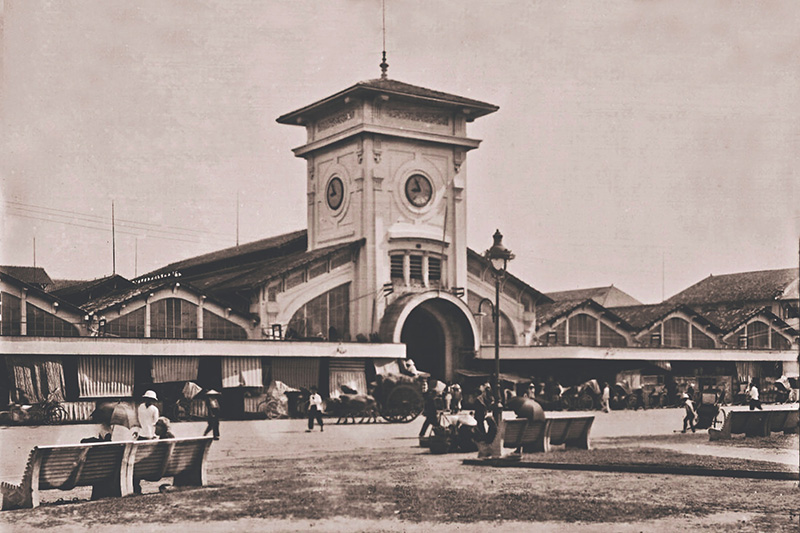
Ben Thanh Market – The Beating Heart of Saigon, a Living Landmark in the City’s Soul
More than a market, Ben Thanh is the soul of the city. Amid the bustling crowds, the grand clock tower stands tall like a keeper of time, telling tales of a vibrant, never-sleeping Saigon for over a century.

Nguyen Van Binh Book Street – A Literary Oasis in the Heart of Ho Chi Minh City
Not far from the buzzing roads and shimmering skyscrapers of Ho Chi Minh City, a peaceful little street gently celebrates the love of reading. Nguyen Van Binh Book Street is not just a place—it feels like a cultural heartbeat, where books, people, and ideas flow freely beneath the shade of ancient tamarind trees. For book lovers, art seekers, and slow-life travelers, this charming pedestrian street is a place where time slows down, curiosity is awakened, and the city suddenly feels soft and poetic again.
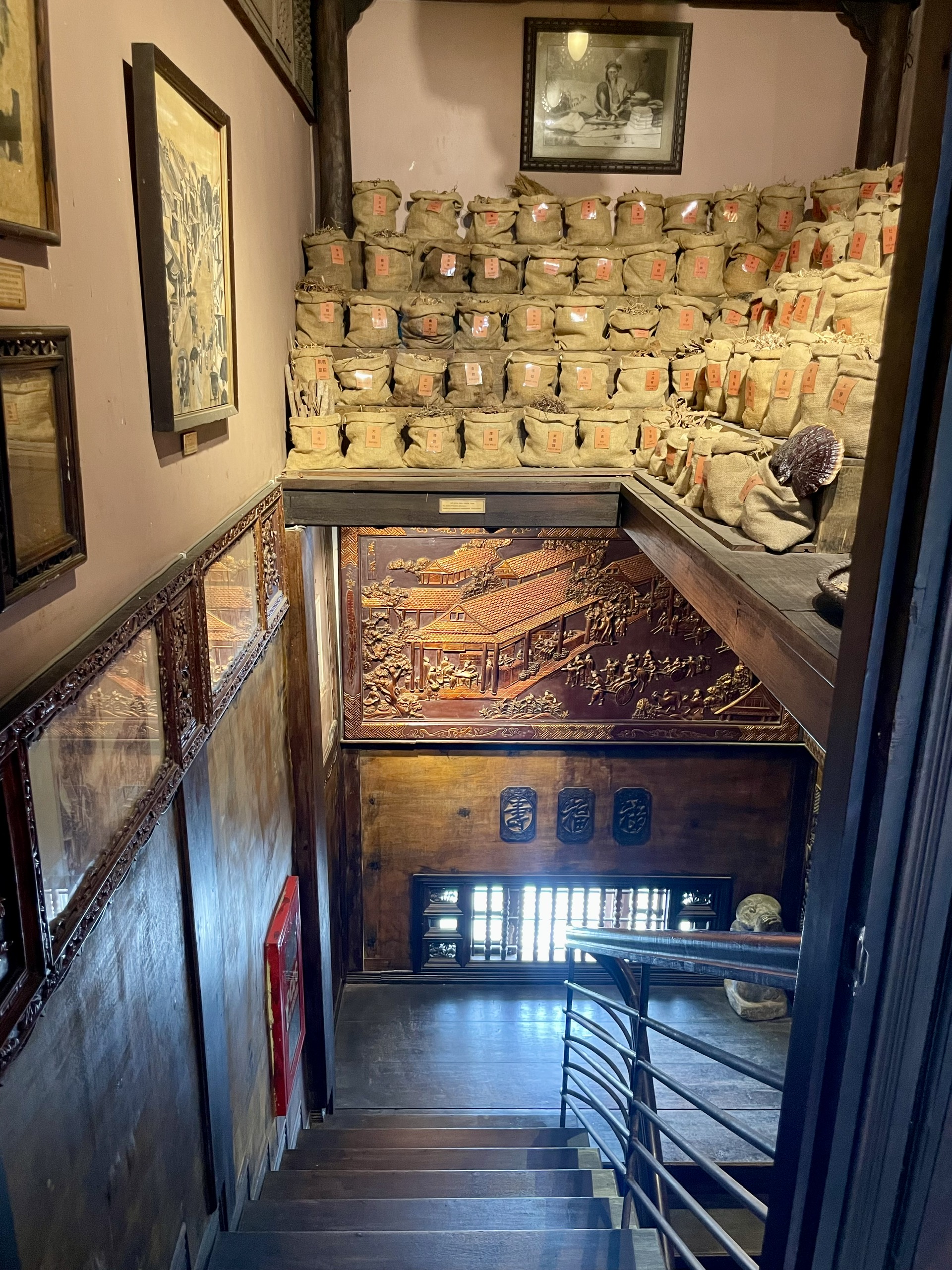
🌿 FITO Museum – A Hidden Cultural Gem in Ho Chi Minh City
Tucked away in a quiet corner of Ho Chi Minh City, FITO Museum (Museum of Traditional Vietnamese Medicine) offers a unique and meaningful experience for travelers who love culture, history, and healing traditions. This is not just a museum—it’s a peaceful journey into the heart of Vietnamese heritage.